Wondering if you could have GERD?
Are you living with acid reflux? If you deal with this problem rather frequently, you could have a chronic condition known as gastroesophageal reflux disease (GERD). It’s more common than you know, and you could have it. Here’s what you should know about GERD,
What is GERD?
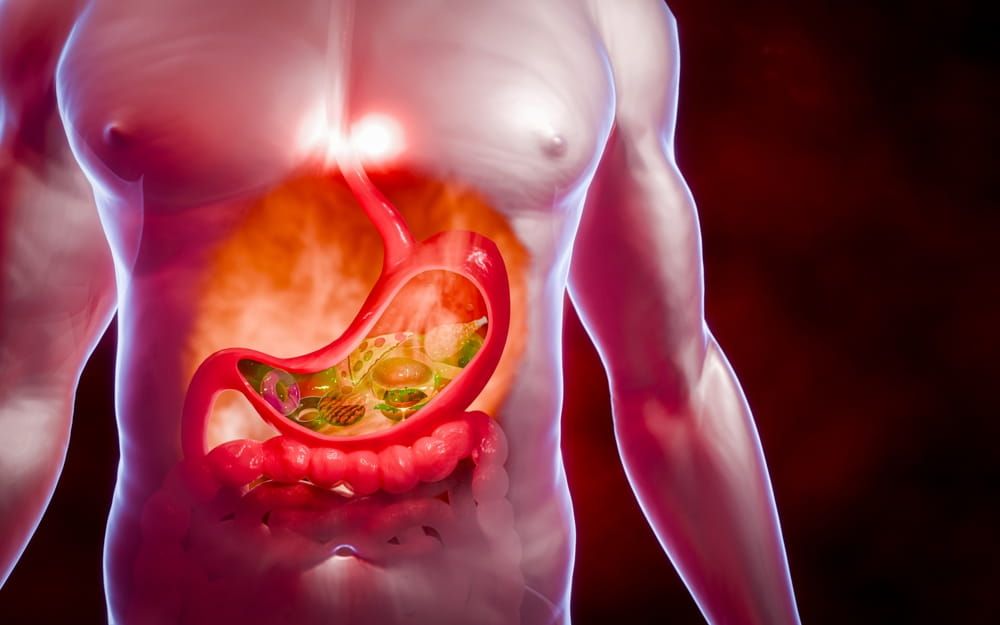
Every time you swallow food, your stomach produces acid to aid digestion. In a healthy gastrointestinal system, a valve in the esophagus opens to allow food and acid to pass from the esophagus to your gut. In those with GERD, the valve that allows food to pass through it may not close fully or open far too often, which can cause these acids to travel back up into the esophagus. If this happens regularly, the lining of the esophagus can become irritated and even damaged.
What Are the Symptoms?
While everyone will probably experience heartburn at some point, you will likely deal with chronic or persistent heartburn if you have GERD. Everybody is different when it comes to their symptoms. Besides heartburn and acid reflux, which are the two main symptoms of GERD, other symptoms include,
- Sore throat
- Problems swallowing
- Belching
- Gum inflammation
- Throat irritation
- Hoarseness
- Chronic bad breath
- A bitter taste in the mouth
When Should I See a Gastroenterologist?
It isn’t always easy to know when to visit a gastroenterologist for an evaluation. Of course, if you’ve been dealing with heartburn that occurs twice or more during the week, if your heartburn is only getting worse, if you have trouble swallowing or if heartburn wakes you up at night, then it’s essential that you get your symptoms checked out.
How is GERD Treated?
The goal of treatment is to reduce and even eliminate your symptoms while also helping give the esophagus a chance to heal itself. There will be specific lifestyle changes you will need to make to improve your symptoms, such as,
- Avoiding or limiting spicy, fatty, fried and acidic foods
- Limiting caffeine and alcohol
- Losing weight if obesity or being overweight is a factor
- Eating smaller, more frequent meals
- Not eating about two to three hours before bed
- Not lying down immediately after eating
- Avoiding shirts or belts that are too tight or put too much pressure around the middle
Certain medications will also be prescribed to help you manage your symptoms better and to help repair the damage done to the esophagus. Surgery may be recommended if you’ve tried all other non-surgical options, but nothing has managed your GERD.
Don’t ignore your acid reflux, especially if you’re dealing with it twice a week. If so, you owe it to yourself to schedule an appointment with your gastroenterologist to find out if you could be dealing with GERD.