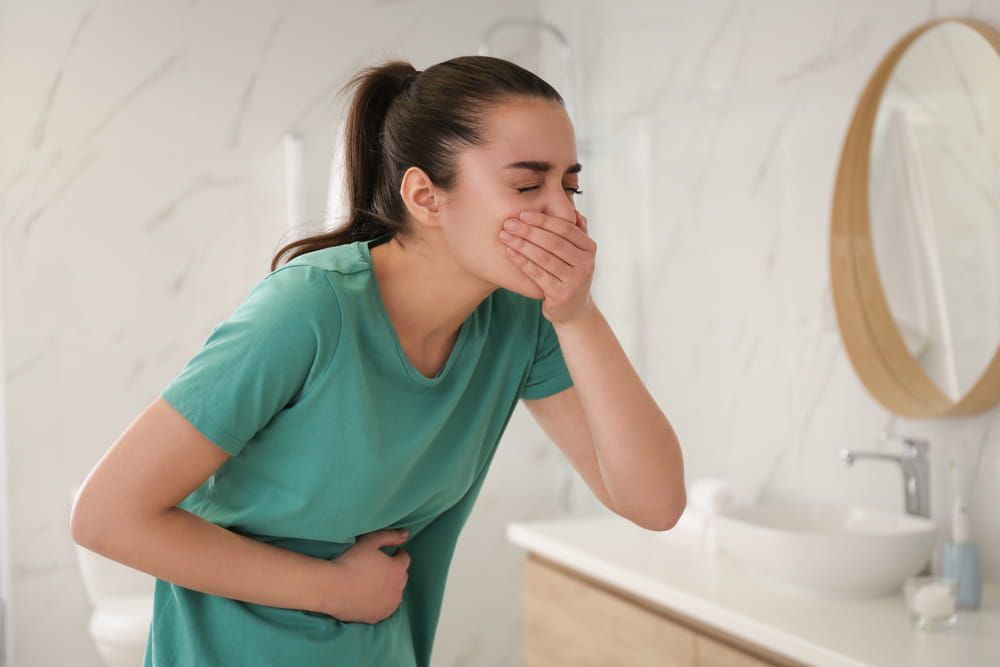
One common gastrointestinal problem that affects adults as they age is diverticulosis. This is when pouches develop within the lining of the colon, or large intestines. These pouches are known as diverticula, and usually people won’t experience any symptoms; however, when these pouches become inflamed or infected this leads to diverticulitis, a painful condition that can lead to vomiting, bloating, bowel changes, fever, blood in the stool and abdominal pain. If you are experiencing symptoms of diverticulitis it’s important to see your gastroenterologist for an evaluation as soon as possible.
Causes of Diverticulitis
While the cause of diverticulitis isn’t clear there are certain factors that could increase your chances of developing this GI problem. People who don’t eat enough fiber are more likely to deal with constipation, which can put pressure on the bowels and eventually lead to the development of diverticula within the intestines. Other factors that could increase your chances for diverticulitis include:
- Smoking
- Genetics
- Age
- Being overweight or obese
- Leading a sedentary lifestyle
- Having more disease-producing bacteria within the colon
- Taking steroids or NSAID pain relievers (e.g. ibuprofen)
Seeing a Gastroenterologist
When you come into the office for an evaluation your GI doctor will ask you questions about the symptoms you are experiencing, your current health, lifestyle and diet. From there, your doctor will determine which type of testing to perform. Tests to diagnose diverticulitis include:
- Barium enema
- Flexible sigmoidoscopy
Treating Diverticulitis
Leading a healthy lifestyle can go a long way to reducing your risk for developing diverticulitis. This condition can often be treated with simple lifestyle adjustments (particularly changes to a patient’s diet) such as:
- Increasing fiber intake
- Taking fiber supplements
- Changing certain medications
- Taking probiotics
A liquid diet and rest are usually the best ways to ease diverticulitis symptoms. If there is a bleed within the intestines you may need to be hospitalized. Only in severe cases is surgery needed to remove the diseased pouches. With the proper care, diverticulosis symptoms may go away within in a few days. While increasing fiber intake won’t heal the diverticula that are present it can prevent new pouches from developing.
Wondering if your digestive issues may be due to diverticulitis? If you have unexplained or recurring stomach issues it’s time to turn to your gastroenterologist for a proper diagnosis.