Gastroenterologists are concerned with conditions that affect the stomach, intestinal tract, colon and other organs involved in digestion and waste elimination. These conditions include certain types of cancer, biliary tract disease, ulcers and Irritable Bowel Syndrome. The test that checks for these potential health issues is called an endoscopy. There are several different endoscopic procedures that allow your doctor to check the digestive system, including a colonoscopy, enteroscopy and an upper gastrointestinal endoscopy. Find out more about getting an endoscopy and whether it’s time for you to have this test.
What Is an Endoscopy?
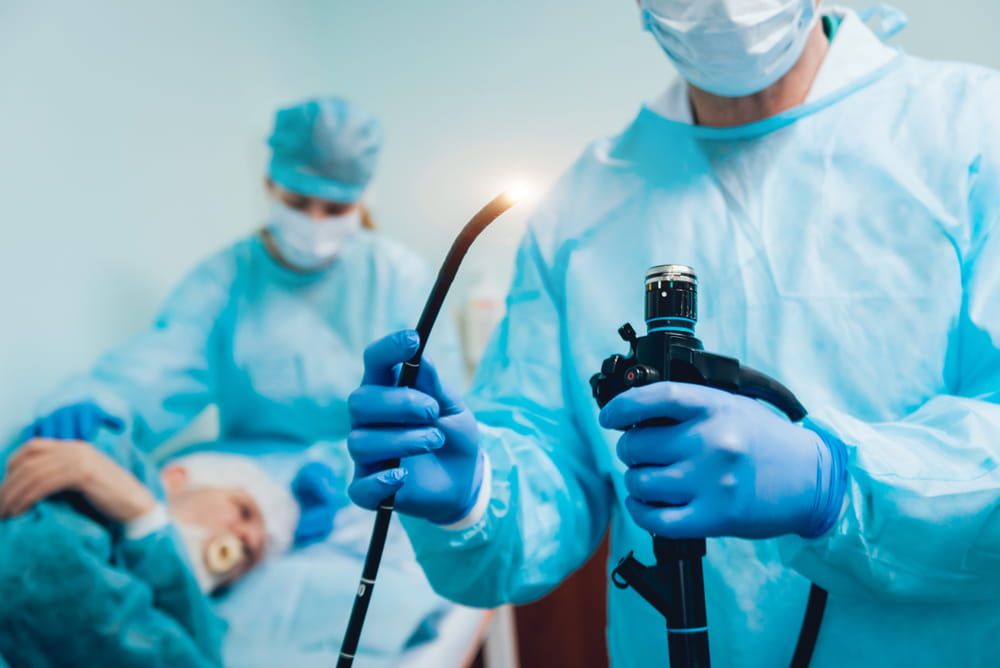
During an endoscopy, a long tube is inserted into an orifice (usually the mouth or anus) to look at the organs of the body. The tube, called an endoscope, has a camera that allows your doctor to view the targeted area. In the case of a colonoscopy, the endoscope is inserted into the rectum and provides a visual of your colon and intestines. An enteroscopy views the small intestine and an upper GI endoscopy looks at the parts of your upper intestinal tract, including the esophagus.
What Does an Endoscopy Detect?
An endoscopy can detect polyps (benign and precancerous) as well as cancerous tumors. It can also identify the presence of ulcers, inflammation and other damage to the wall of the intestines or stomach. An upper GI endoscopy can determine the cause of heartburn, chest pain and problems swallowing your food. In some cases, polyps or objects can be removed during the procedure or tissue samples may be taken. A stent can also be inserted in restricted areas of the stomach, esophagus or intestinal tract.
Do You Need this Test?
Here are a few indications that you should see your gastroenterologist soon for an endoscopy:
- You have intense pain in the abdomen or have been diagnosed with digestive problems
- You have severe acid reflux or chronic heartburn
- You feel as if there is some type of blockage in your intestinal tract (such as long-term constipation)
- There’s blood in the stool
- There’s a family history of colon cancer
- You’re over the age of 50
See Your Gastroenterologist
An endoscopy is not a test that you want to delay long if you’re concerned about your stomach, colon and digestive health. Call a gastroenterologist in your area to schedule an initial consultation and exam today.