
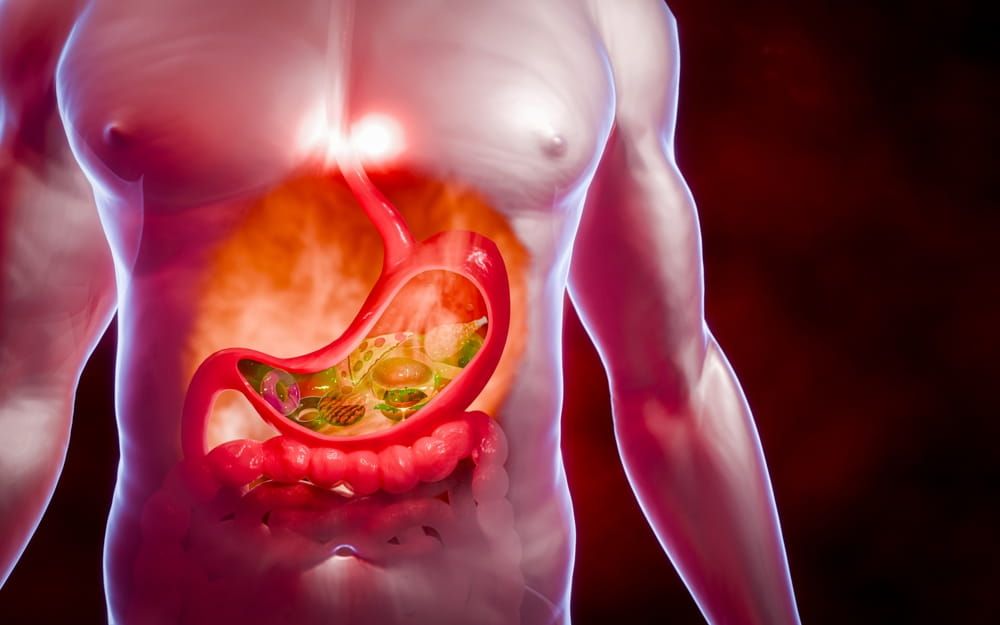
Acid reflux, often termed heartburn or gastroesophageal reflux disease (GERD), occurs when stomach acid backs up into the esophagus. This backward flow can lead to a burning sensation in your chest, known as heartburn. Other symptoms include regurgitation of sour liquid or food, difficulty swallowing, persistent cough, and chest pain. These signs can disrupt daily life, impacting sleep, eating, and overall comfort.
If you experience frequent heartburn (twice a week or more), have difficulty swallowing, or notice persistent chest pain, it’s wise to seek a gastroenterologist’s guidance. They specialize in diagnosing and treating digestive system issues, including acid reflux.
Your gastroenterologist might recommend lifestyle changes, such as dietary adjustments, avoiding trigger foods (like citrus, spicy, or fatty meals), weight management, and elevating your head during sleep. They may also prescribe medications to alleviate symptoms or suggest further tests, like an endoscopy, to examine your esophagus for damage.
What Causes Acid Reflux?
Acid reflux occurs when the lower esophageal sphincter (LES) relaxes or weakens, allowing stomach acid to flow back into the esophagus. It can be due to various factors, such as certain foods, lifestyle choices, and medical conditions. Foods like spicy or fatty dishes, citrus fruits, and chocolate can trigger reflux in some individuals. Overeating or eating late at night can also strain the LES, making reflux more likely.
Additionally, lifestyle habits such as smoking, excessive alcohol consumption, and being overweight can increase the risk of acid reflux. Smoking weakens the LES, while excess weight puts pressure on the stomach, forcing acid upwards. Certain medications like aspirin, ibuprofen, or muscle relaxants can also relax the LES or irritate the esophagus, contributing to reflux.
Medical conditions like hiatal hernias, where part of the stomach pushes upward through the diaphragm, and gastroparesis, which slows stomach emptying, can lead to acid reflux.
Managing acid reflux involves dietary changes, avoiding trigger foods, maintaining a healthy weight, and adopting habits like not lying down immediately after eating. If symptoms persist, medical consultation is essential for proper diagnosis and treatment, which might include medications or, in severe cases, surgery to strengthen the LES.
Our Gastroenterologist Can Help
A gastroenterologist specializes in diagnosing and treating acid reflux, offering vital support for relief. Through comprehensive assessments, they examine symptoms, often utilizing endoscopic procedures to visualize the esophagus and determine the severity of reflux.
By crafting personalized treatment plans, which may include lifestyle changes, medication, or, in severe cases, surgical intervention, they aim to alleviate discomfort and prevent complications like esophageal damage. Gastroenterologists educate patients on dietary adjustments and provide ongoing care, monitoring progress to ensure effective management.
Please explore our website to learn about the conditions we treat and the services provided. To book an appointment with our gastroenterologist, call our office.