Has a gastroenterologist just found colon polyps during your routine colonoscopy? If so, you may be wondering what these masses are, why they occur, and if this could put you at an increased risk for colorectal cancer. We have the answers you are looking for.
What are colon polyps?
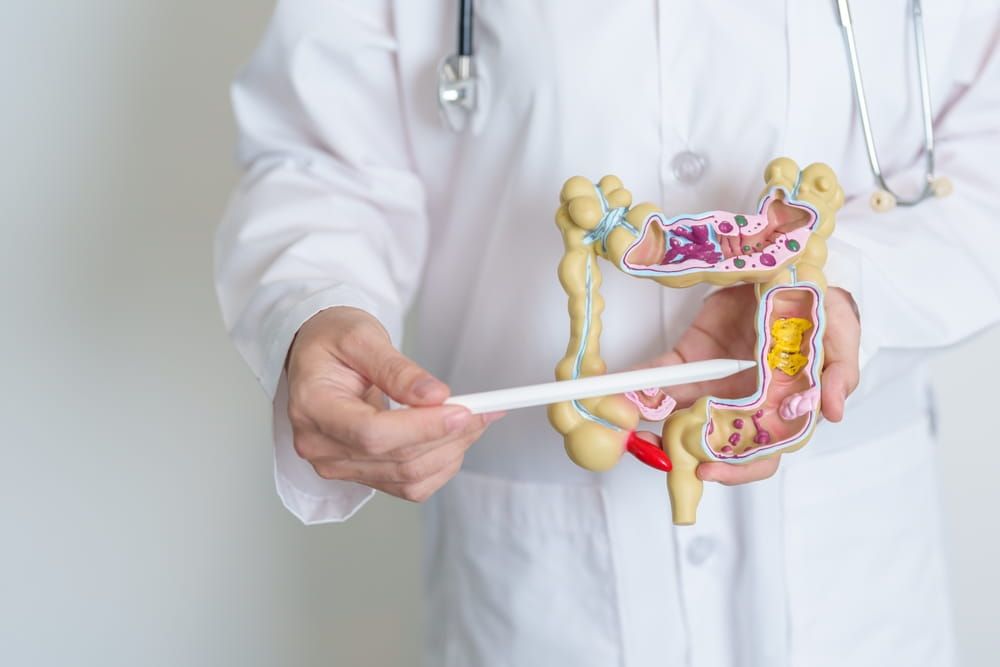
A polyp is typically a benign growth that develops in the lining of the rectum or colon. They can vary in size and are often found in the colon. Polyps are very common in adults, particularly older adults. In fact, an average 60-year-old who doesn’t have any risk factors still has a 25 percent chance of developing polyps. While some polyps can be cancerous, most are harmless.
What can increase my risk for colon polyps?
Older age is the most common risk factor for polyps. If there is a history of colon polyps or colon cancer in your family then you may also be more likely to develop polyps. Other risk factors include,
- Being obese or overweight
- Having diabetes
- Smoking or using tobacco products
- Having inflammatory bowel disease (Crohn’s disease; ulcerative colitis)
Do polyps cause symptoms?
Most polyps do not cause any symptoms; however, if the polyp is large enough it could cause blood in the stool or rectal bleeding. Sometimes a sigmoidoscopy, which allows our GI doctor to look at the lower section of the colon, can detect the presence of a polyp. In this case, our doctor will then recommend a colonoscopy to have the polyp removed. While there are other screening tools available for detecting polyps, the most accurate tool is a colonoscopy.
How is a polyp removed?
If we find polyps during your colonoscopy we can easily remove them at the same time as your procedure. There are several ways in which your doctor can remove a polyp. The most common method is a wire loop biopsy or through a polyp resection (burning the polyp with an electrical current). Since the lining of the bowels is not sensitive, these methods will not cause discomfort. Sometimes a laboratory will examine the removed polyp to look for cancerous cells.
If you need to schedule a routine colonoscopy, or you have a family history of colon polyps and you’re concerned, call your gastroenterologist today to learn more about the preventive steps you can start taking today to protect your digestive health.