
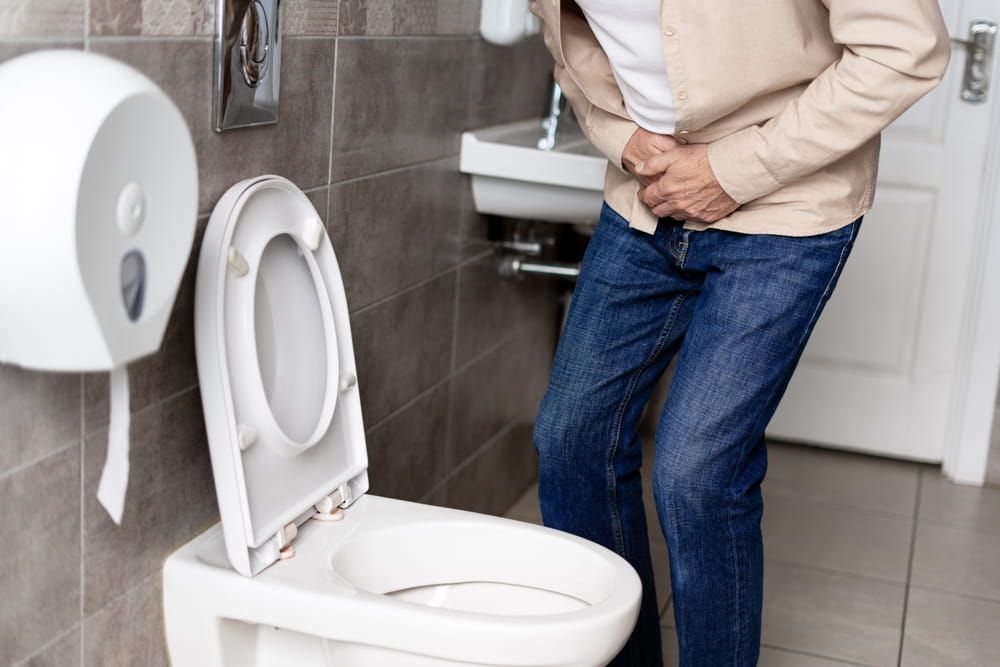
We all get the occasional bout of diarrhea or constipation, but when bowel changes become the norm, this is when you should turn to a gastroenterologist for answers. While acute changes in bowels are often harmless and can be due to simple issues such as an infection, it’s when problems persist that you should consider talking with a GI specialist. Here’s what you should know about your bowel habits and the warning signs that something more serious might be occurring.
What are the types of bowel changes?
Sure, we know that this is a bit embarrassing to discuss, but the frequency and appearance of your bowel movements can tell your gastroenterologist a lot about the health of your intestinal system, and it can also provide helpful clues to find out why you might be dealing with issues. A gastroenterologist will look at both the color and consistency of a stool sample.
The Color of the Stool
A healthy stool ranges in color from tan to dark brown. If the stool is white, red, clay-colored, or black this gives us a clue that something is wrong. Black or red stools can be signs of a bleed within the intestinal tract while clay-colored or pale stools are often signs of liver or gallbladder problems.
The Consistency of the Stool
Whether the stool is dry, hard, watery, or contains mucus, these are also factors that can help us determine what might be going on in your GI tract. Dry, hard stools may be caused by a poor, low-fiber diet and lack of water, while mucus in the stool could be an indicator of irritable bowel syndrome (IBS), an intestinal infection, ulcerative colitis, or bowel obstruction. Your gastroenterologist must run the appropriate tests to rule out certain problems.
The Frequency of Your Bowel Habits
While there is a range of how frequently someone does have a bowel movement (ranging from 3 times a day to 3 times a week), if you don’t have a bowel movement for more than three days it’s time to see a doctor. Conversely, if you’re dealing with diarrhea for more than a day (or you notice blood, mucus, or pus in the stool) you should also give your gastroenterologist a call.
Abdominal pain or persistent bowel changes should have you scheduling an appointment with your gastroenterologist just to be on the safe side. While some changes might be minor, it’s important to pinpoint possible intestinal problems right away before they get worse.