There are many reasons why your gastroenterologist may recommend getting an endoscopy. An endoscopy is a simple diagnostic procedure that allows our doctor to be able to examine the lining and walls of the entire GI tract, from the esophagus and stomach to the intestines and the rectum. Our gastroenterologist focuses on diagnosing and treating conditions that affect the stomach, intestines, and colon. Through a simple endoscopy we can diagnose a wide range of health problems and even treat some of them, too.
What is an endoscopy?
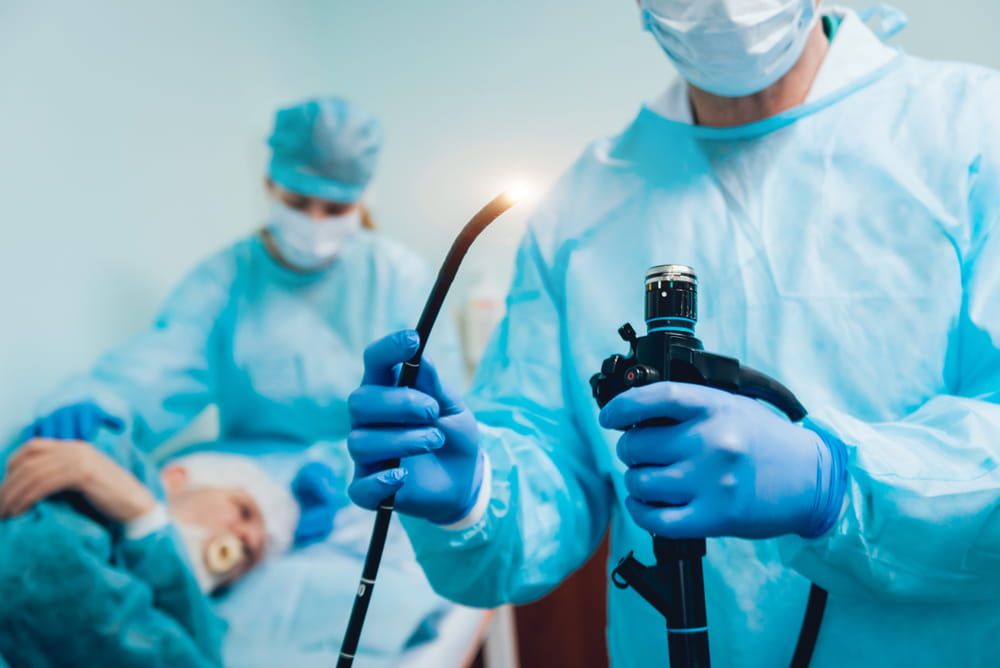
An endoscopy uses a thin, flexible tube known as an endoscope that is inserted either into the throat or rectum and guided through the body to check the lining of the intestinal tract. An endoscope has a camera at the end of it, which allows our gastrointestinal doctor to be able view the lining and look for lesions, bleeds, and other problems.
A common type of endoscopy is a colonoscopy, which allows us to be able to examine the colon and rectum to detect colon polyps and other signs of colorectal cancer in patients over 50 years old (as well as patients at a higher risk for colorectal cancer).
What can an endoscopy find?
Our gastroenterologist and his team will use an endoscope to look for both benign and precancerous polyps that often develop within the colon and rectum. We will examine the lining of the intestinal tract to look for other growths and cancerous tumors. An upper endoscopy can also be used to detect certain digestive problems.
Your gastroenterologist may recommend that you get an endoscopy if you are dealing with:
- Unexplained abdominal pain
- Persistent bowel changes (diarrhea; constipation)
- Chronic heartburn or chest pain
- Signs of an intestinal bleed or blockage
- Blood in the stool
- A family history of colon cancer
- A personal history of colon polyps
Even if everything is fine, both men and women should get routine colonoscopies by the time they turn 50 years old. Those at an increased risk for colon cancer will want to talk with their gastroenterologist about getting screened sooner. A colonoscopy is the most effective tool that we have at our disposal for the early detection of colorectal cancer. If colon polyps are detected during a routine colonoscopy we can also remove them immediately.
If you’ve been told that you need an endoscopy or if you are experiencing any of the symptoms above it’s important that you don’t put off treatment. Call a gastroenterologist today to schedule a comprehensive consultation.