This diagnostic procedure could determine the root cause of your digestive issues.
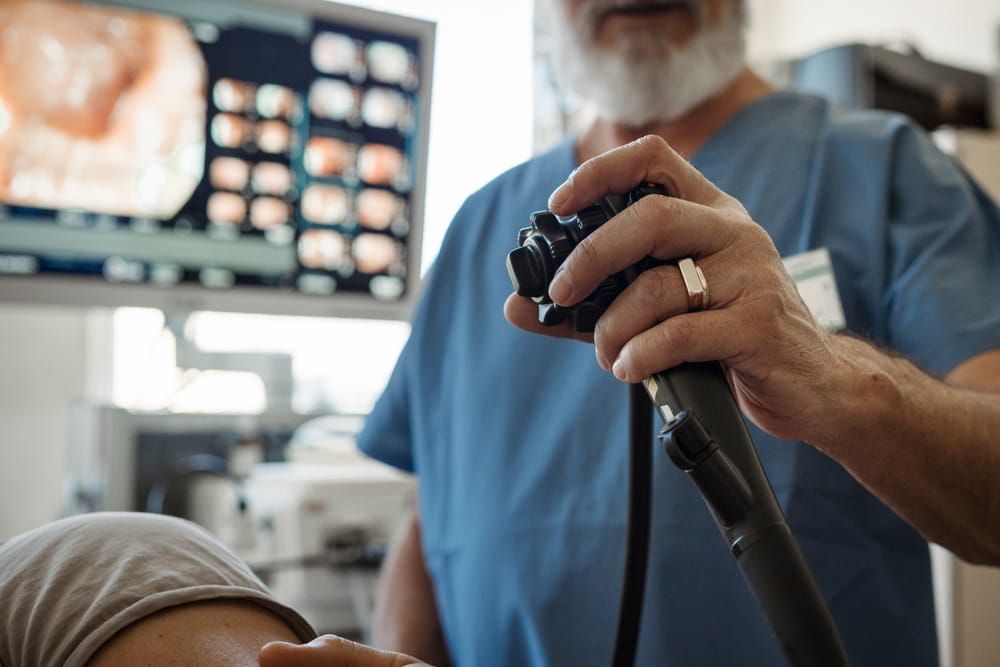
An upper endoscopy is a simple procedure in which your gastroenterologist will insert a small, flexible tube that contains a camera in the mouth and guide it carefully into the upper digestive tract (stomach and small intestines). Why is this outpatient procedure performed? Many reasons, actually. Your gastroenterologist may recommend getting this procedure if there are signs of bleeding within the upper digestive system.
An endoscopy is also a great tool for being able to detect inflammation within the digestive tract, as well as ulcers and tumors. You may benefit from an endoscopy if you are experiencing:
- Difficulty swallowing
- Chronic heartburn
- Abdominal pain
- Chest pain
- Nausea and vomiting
An upper endoscopy is a much better and more accurate diagnostic tool for detecting growths and other abnormalities within the lining the digestive system than x-rays. Furthermore, many gastrointestinal issues can often be treated during the endoscopy. This includes the biopsy and/or removal of polyps, opening up narrowed areas of the esophagus or stomach, removing objects or obstructions within the intestinal tract or stopping a bleed.
Before your procedure, your gastroenterologist will give you detailed instructions to follow. This includes not eating or drinking anything for eight hours before your endoscopy. Patients with certain conditions such as a history of endocarditis (an infection of the heart valve) or those with artificial heart valves may need to take antibiotics beforehand to reduce their risk for an infection. Patients who take medications may still take their medication before the procedure with a little bit of water.
An endoscopy is performed under sedation so you won’t feel anything or remember the procedure. It’s important that you bring someone with you who will be able to drive you home afterwards, as sedation’s effects can last up to eight hours after. Prior to the procedure, a local anesthesia may be sprayed in the back of the throat to numb the area. You will then receive a combination or pain and sedation medication through an IV. Then the thin endoscope will be placed in the mouth and directed through the esophagus into the stomach. The procedure takes approximately 15-20 minutes.
If you are experiencing symptoms of bleeding, ulcers, or other issues within the digestive system, an endoscopy can be an amazing tool for determining what’s going on and what can be done to treat the problem.