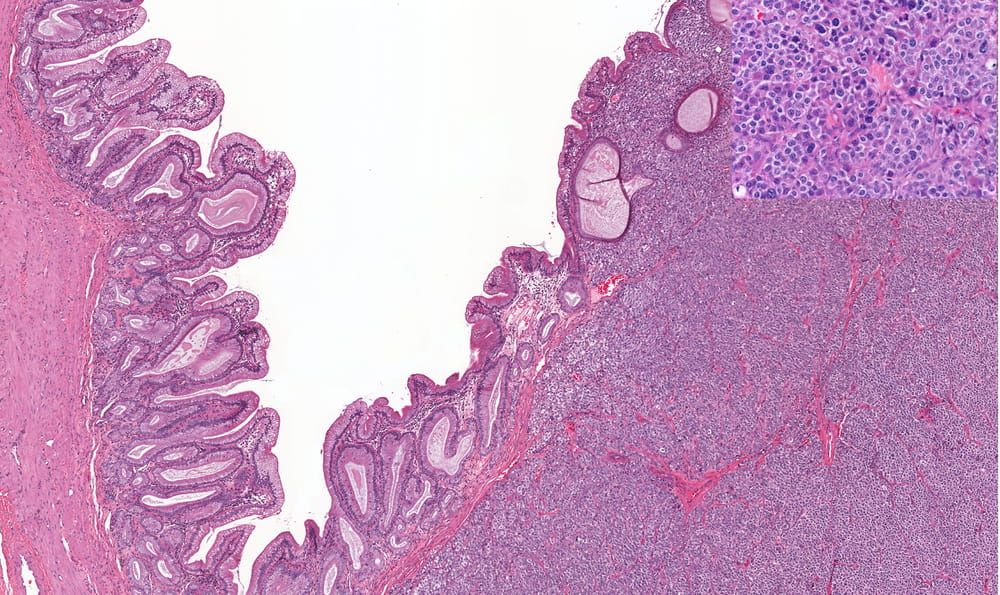
Cancerous carcinoid tumors form in the lining of your gastrointestinal tract and can be caused by certain digestive conditions. The rare tumors are often treated with surgery and medications.
What are carcinoid tumors?
Carcinoid tumors develop when a mutation occurs in the neuroendocrine cells in your digestive system. The dual-purpose cells have both nerve and endocrine features and are capable of producing hormones. Over time, the cancerous cells gradually take over healthy cells and form a tumor. Carcinoid tumors tend to form in the colon, stomach, small intestine or rectum.
Who gets carcinoid tumors?
If anyone in your family has had multiple endocrine neoplasia type 1 syndrome (MEN1) or neurofibromatosis type 1 syndrome (NF1), you may be at greater risk of developing a carcinoid tumor. Your risk also rises if you have Zollinger-Ellison syndrome, pernicious anemia or atrophic gastritis. Older people and women are more likely to develop carcinoid tumors.
What are the symptoms of carcinoid tumors?
There are often no symptoms when a carcinoid tumor is small. In fact, you may only learn that you have a tumor after undergoing a routine colonoscopy or another diagnostic test. Symptoms may occur if the tumor secretes hormones or grows larger. Symptoms depend on the location of the tumor, but may include:
- Pain in the abdomen
- Diarrhea
- Constipation
- Nausea
- Vomiting
- Heartburn
- Fatigue
- Unexplained weight loss
- Rectal pain
- Stool color changes or blood in the stool
- Bloating
- Abdominal pain
How are carcinoid tumors treated?
Surgery is used to remove all or as much of the tumor as possible. Medications may also be helpful. Depending on your condition, your gastroenterologist may recommend interferon injections that enhance the immune system’s ability to attack the tumor or medications that prevent the tumor from releasing hormones.
If your carcinoid tumor has spread to your liver, your gastroenterologist can offer several other treatment options, including cryoablation (freezing) or radiofrequency (heat) treatments to kill the cancer cells. Removing part of the liver during a surgical procedure may be helpful, as can closing off the hepatic artery that feeds the tumor.
Although most gastrointestinal symptoms aren’t caused by cancer, it’s important to see your gastroenterologist if you experience frequent heartburn, nausea, vomiting, diarrhea, constipation, bloating or other symptoms.